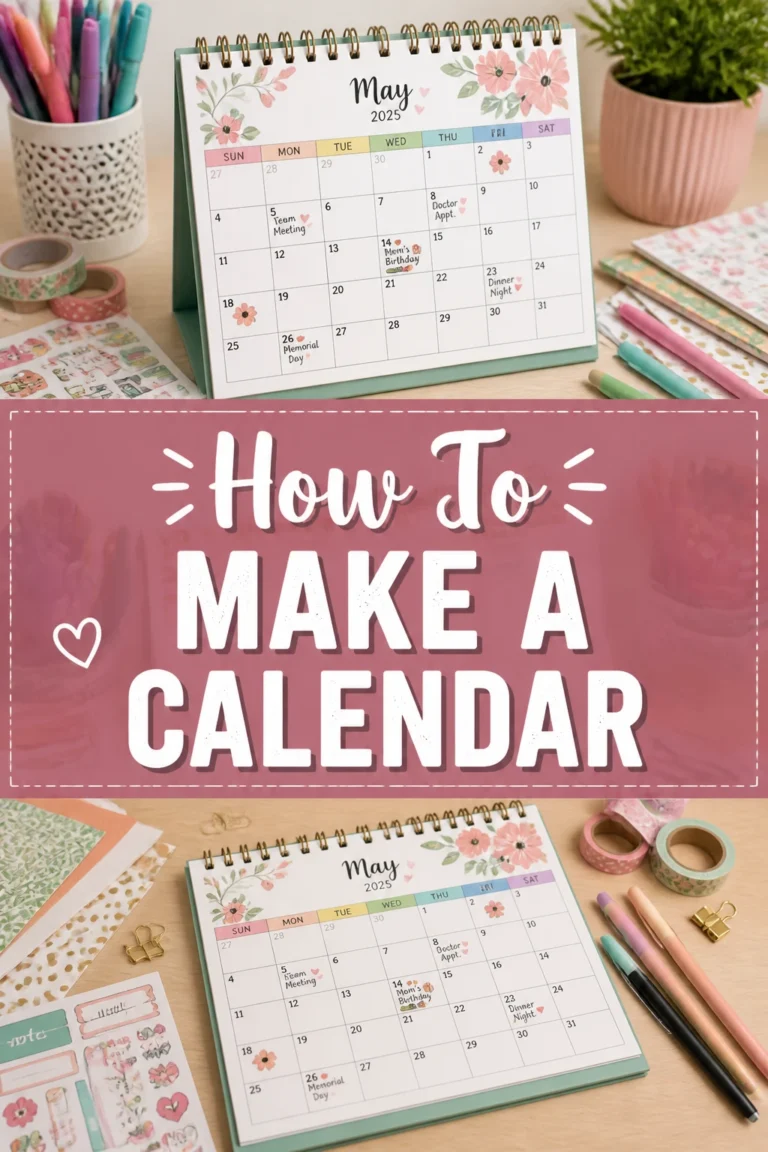
📔 How To Make A Diary
Writing in a diary can be a deeply rewarding practice. It offers a private space to explore thoughts, feelings, and daily experiences without judgment. I’ve personally found immense value in documenting my life, using my diary as both a confidant and a tool for self-reflection.
This guide will walk you through creating your own diary, making the process simple and enjoyable. You’ll soon have a personal sanctuary ready for your stories.

Quick Overview
By following these steps, you will create a personalized diary, ready to become a cherished companion for your thoughts and memories. It’s a journey into self-expression.
- Time needed: 1-3 hours for initial setup, ongoing for writing
- Difficulty: Beginner
- What you’ll need: A notebook, pen, and optional decorative supplies
Step-by-Step Instructions
Making a diary is more about intention and less about elaborate crafting. The goal is to create a space that feels inviting and personal to you. Let’s begin building your unique diary.
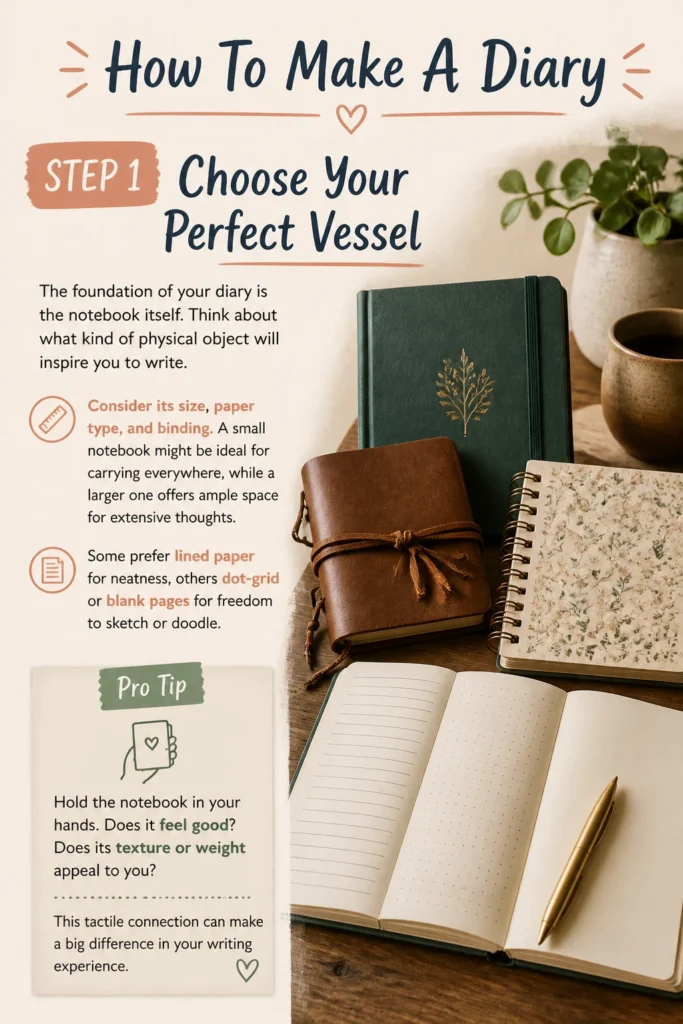
Step 1: Choose Your Perfect Vessel
The foundation of your diary is the notebook itself. Think about what kind of physical object will inspire you to write. Consider its size, paper type, and binding.
A small notebook might be ideal for carrying everywhere, while a larger one offers ample space for extensive thoughts. Some prefer lined paper for neatness, others dot-grid or blank pages for freedom to sketch or doodle.
Pro Tip: Hold the notebook in your hands. Does it feel good? Does its texture or weight appeal to you? This tactile connection can make a big difference in your writing experience.
Step 2: Gather Your Essential Writing Tools
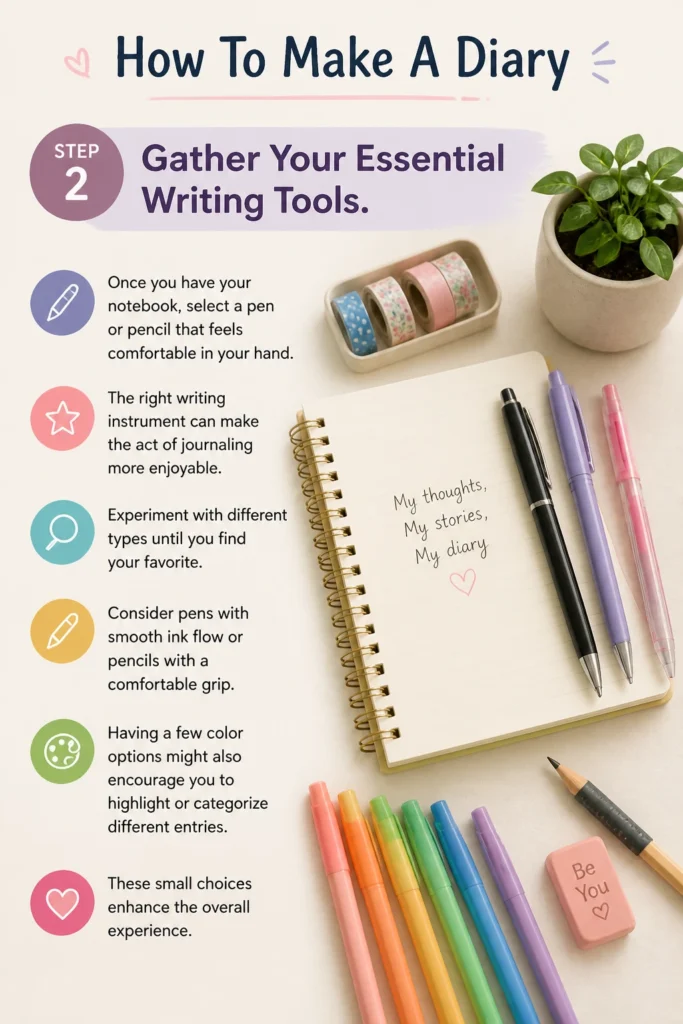
Once you have your notebook, select a pen or pencil that feels comfortable in your hand. The right writing instrument can make the act of journaling more enjoyable. Experiment with different types until you find your favorite.
Consider pens with smooth ink flow or pencils with a comfortable grip. Having a few color options might also encourage you to highlight or categorize different entries. These small choices enhance the overall experience.
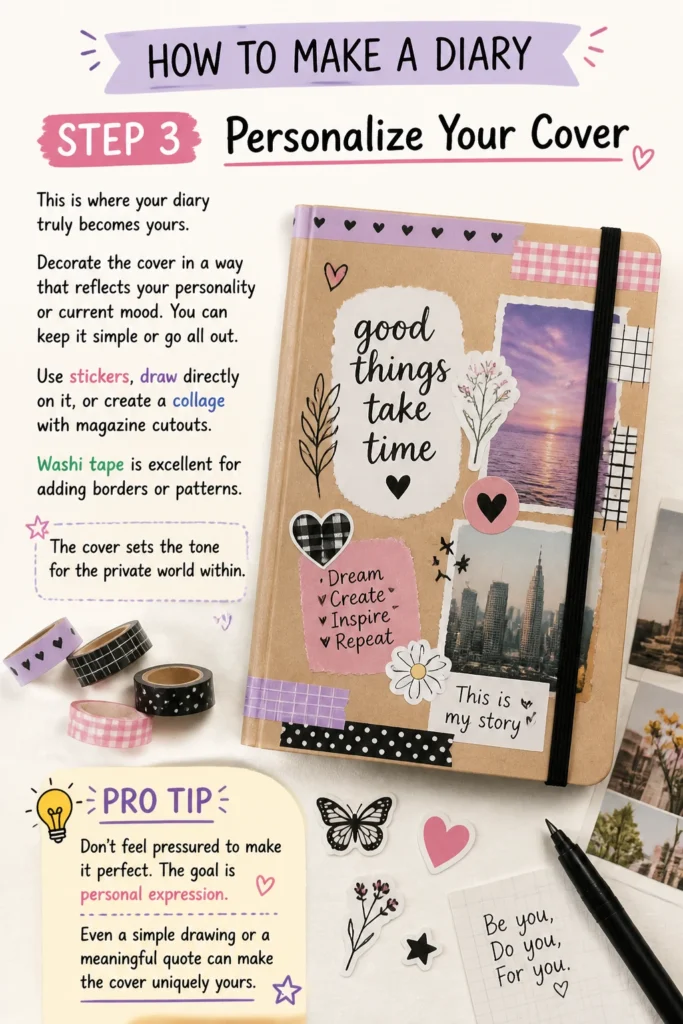
Step 3: Personalize Your Cover
This is where your diary truly becomes yours. Decorate the cover in a way that reflects your personality or current mood. You can keep it simple or go all out.
Use stickers, draw directly on it, or create a collage with magazine cutouts. Washi tape is excellent for adding borders or patterns. The cover sets the tone for the private world within.
Pro Tip: Don’t feel pressured to make it “perfect.” The goal is personal expression. Even a simple drawing or a meaningful quote can make the cover uniquely yours.
Step 4: Prepare the First Page
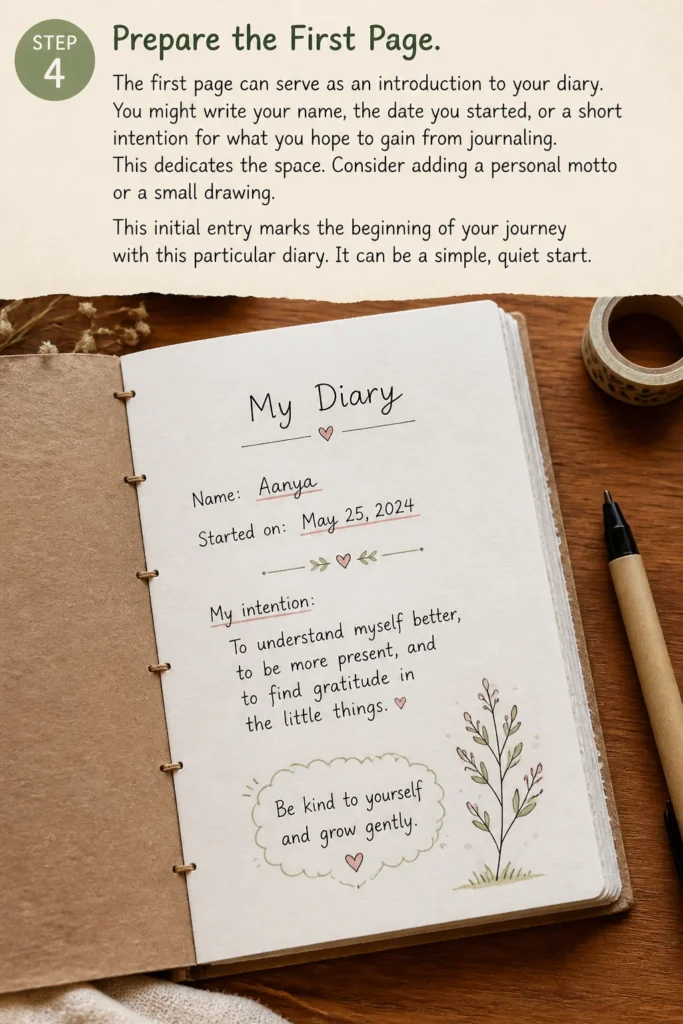
The first page can serve as an introduction to your diary. You might write your name, the date you started, or a short intention for what you hope to gain from journaling. This dedicates the space.
Consider adding a personal motto or a small drawing. This initial entry marks the beginning of your journey with this particular diary. It can be a simple, quiet start.
Step 5: Establish a Writing Routine
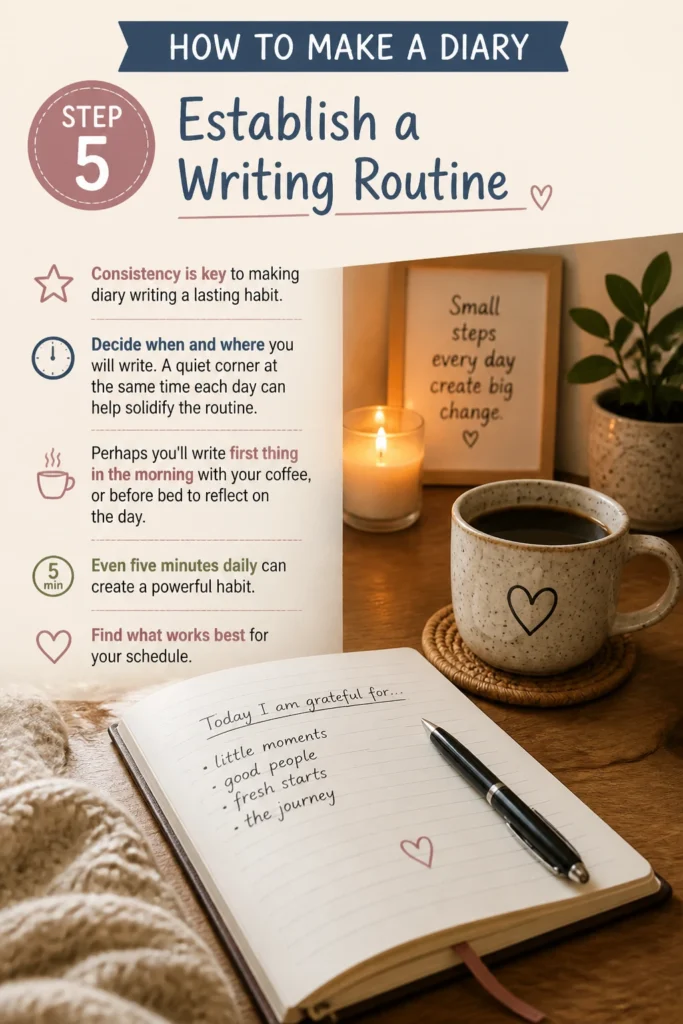
Consistency is key to making diary writing a lasting habit. Decide when and where you will write. A quiet corner at the same time each day can help solidify the routine.
Perhaps you’ll write first thing in the morning with your coffee, or before bed to reflect on the day. Even five minutes daily can create a powerful habit. Find what works best for your schedule.
Step 6: Decide What to Write About
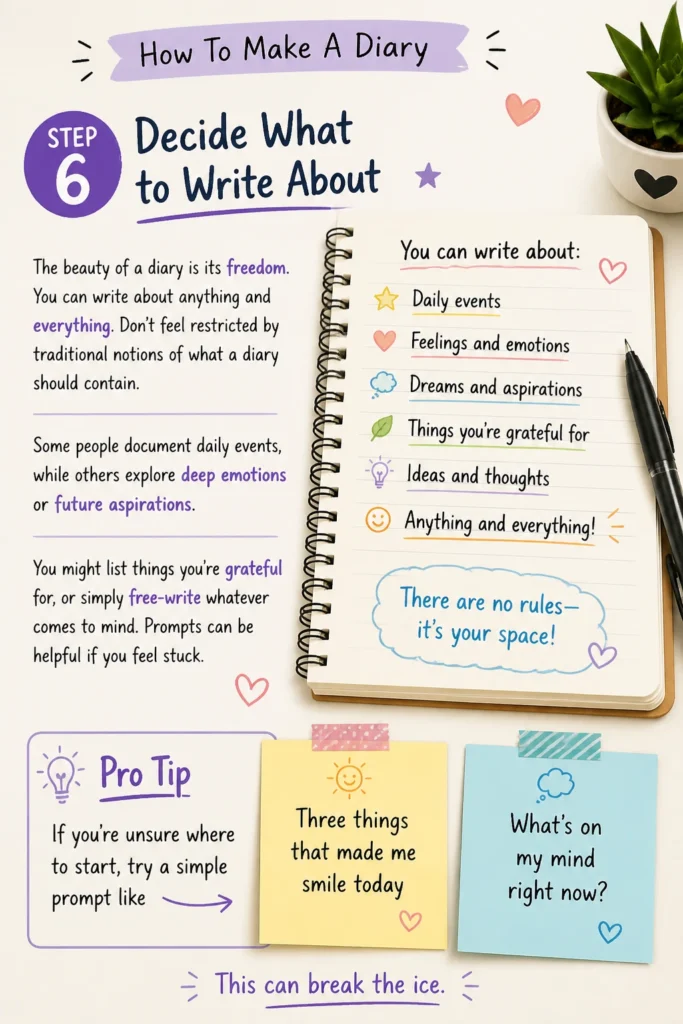
The beauty of a diary is its freedom. You can write about anything and everything. Don’t feel restricted by traditional notions of what a diary “should” contain.
Some people document daily events, while others explore deep emotions or future aspirations. You might list things you’re grateful for, or simply free-write whatever comes to mind. Prompts can be helpful if you feel stuck.
Pro Tip: If you’re unsure where to start, try a simple prompt like “Three things that made me smile today” or “What’s on my mind right now?” This can break the ice.
Step 7: Embrace Imperfection and Privacy

Your diary is for you alone. There’s no need for perfect grammar, neat handwriting, or profound insights every time. It’s a raw, authentic space. Let go of any self-judgment.
Find a secure place to keep your diary where it won’t be easily discovered. This sense of privacy fosters openness and honesty in your writing. Knowing it’s safe encourages deeper reflection.
Common Mistakes to Avoid
Starting a diary should be an empowering experience. Being aware of common pitfalls can help you maintain your enthusiasm and consistency. Avoid these traps to keep your journaling journey positive.
Waiting for Perfection
Many people delay starting their diary because they’re waiting for the “perfect” notebook, the “perfect” pen, or the “perfect” moment. This often leads to never starting at all. The best time to begin is now, with what you have. Embrace the idea that your diary will evolve with you, and it doesn’t need to be flawless from day one.
Overthinking Content
A diary is a space for honest expression, not a literary masterpiece. Don’t censor yourself or worry about what you “should” be writing. If you find yourself staring at a blank page, just write whatever comes to mind, even if it’s “I don’t know what to write.” The goal is to get thoughts onto the page, not to craft eloquent prose.
Treating It Like a Chore
If writing in your diary starts to feel like another item on your to-do list, you’re likely to abandon it. Reframe it as a gift to yourself – a moment of calm, reflection, or creative release. If you miss a day, don’t punish yourself; simply pick it up again when you’re ready. The practice should feel nourishing, not burdensome.
Not Finding Privacy
A diary’s power often comes from its absolute privacy. If you constantly worry about someone reading your entries, you’ll naturally hold back. Ensure you have a safe, hidden spot for your diary. This security allows you to be completely vulnerable and honest in your writing, which is crucial for deep self-reflection.
Troubleshooting
Even with the best intentions, you might encounter some bumps along the road to consistent diary keeping. Here are solutions to common issues you might face.
Writer’s Block
Sometimes, the words just won’t flow. This is a common experience, so don’t let it discourage you. Instead of forcing it, try free-writing for five minutes, setting a timer. Write anything that comes to mind, no matter how disjointed. You can also use journaling prompts found online, or simply draw a picture instead of writing. The act of engaging with the page, even without words, can sometimes unlock your thoughts.
Feeling Self-Conscious
It’s natural to feel a bit self-conscious when pouring out your thoughts, even if no one else will read them. Remind yourself that this space is solely for your growth and understanding. If the feeling persists, try writing about your self-consciousness itself. Explore why you feel that way and what fears might be holding you back. Over time, as you build trust with your diary, this feeling often diminishes.
Inconsistency
Life gets busy, and sometimes a diary habit can fall by the wayside. If you find yourself skipping days or weeks, don’t view it as a failure. Simply open your diary and start again. You don’t need to catch up on missed entries; just write about where you are now. Re-evaluate your routine: perhaps a different time of day or a shorter writing session would fit better. The goal is progress, not perfection.
Key Takeaways
- Choose a diary that feels personally inviting and comfortable in your hands.
- Select writing tools that make the act of writing enjoyable for you.
- Personalize your diary’s cover and first page to make it uniquely yours.
- Establish a consistent routine, even if it’s just for a few minutes daily.
- Write freely and honestly, without judgment or concern for perfection.
- Ensure your diary is kept private to foster a sense of security and openness.
Frequently Asked Questions
Starting a diary often brings up practical questions. Here are some common queries and their straightforward answers to help you along your journey.
Digital versus physical diary?
Both digital and physical diaries have their merits. A physical diary offers a tactile experience, the satisfaction of pen on paper, and can feel more private and personal. Digital options provide portability, searchability, and often more storage space. The best choice depends entirely on your personal preference and what feels most natural and accessible to you.
How often should I write?
There’s no strict rule for how often you should write. Some people write daily, others a few times a week, and some only when they feel a strong urge. The most important thing is to find a frequency that feels sustainable and beneficial for you. Consistency, even if it’s just once a week, is more valuable than sporadic, intense bursts.
What if someone reads it?
The fear of someone reading your diary is valid. To mitigate this, choose a diary that isn’t easily recognizable as such, or one with a lock. More importantly, find a secure and discreet hiding spot. Knowing your diary is safe will allow you to write more freely and honestly. If privacy is a major concern, consider a digital diary with password protection.
Can I draw in my diary?
Absolutely! Your diary is your personal space, and there are no rules about what it must contain. Drawing, sketching, doodling, or even pasting photos and mementos can enhance your entries. Visual elements can sometimes express feelings or memories more effectively than words. Embrace creativity and make your diary a true reflection of your inner world.
Our Top Recommended Finds
To help you get started, here are a few generic items that can enhance your diary-making and journaling experience. These are widely available and can make a real difference.
- High-Quality Blank Journal: Look for journals with smooth, acid-free paper that prevents bleed-through and feels good to write on. A sturdy binding ensures it will last.
- Smooth-Writing Gel Pens: A comfortable pen with consistent ink flow makes writing a pleasure. Gel pens often provide vibrant colors and a fluid writing experience.
- Decorative Stickers or Washi Tape: These simple additions can transform your diary’s appearance. They’re great for personalizing the cover, marking important pages, or adding visual interest to your entries.
Start Your Personal Journey Today
Creating a diary is an act of self-care and a powerful step towards greater self-awareness. It doesn’t require special skills or expensive materials, only a willingness to explore your inner world. Every entry you make builds a richer understanding of yourself.
Don’t wait for the perfect moment or the ideal setup. Grab a notebook, find a pen, and begin your personal narrative today. This journey of reflection promises growth and insight. Your story is waiting to be written.